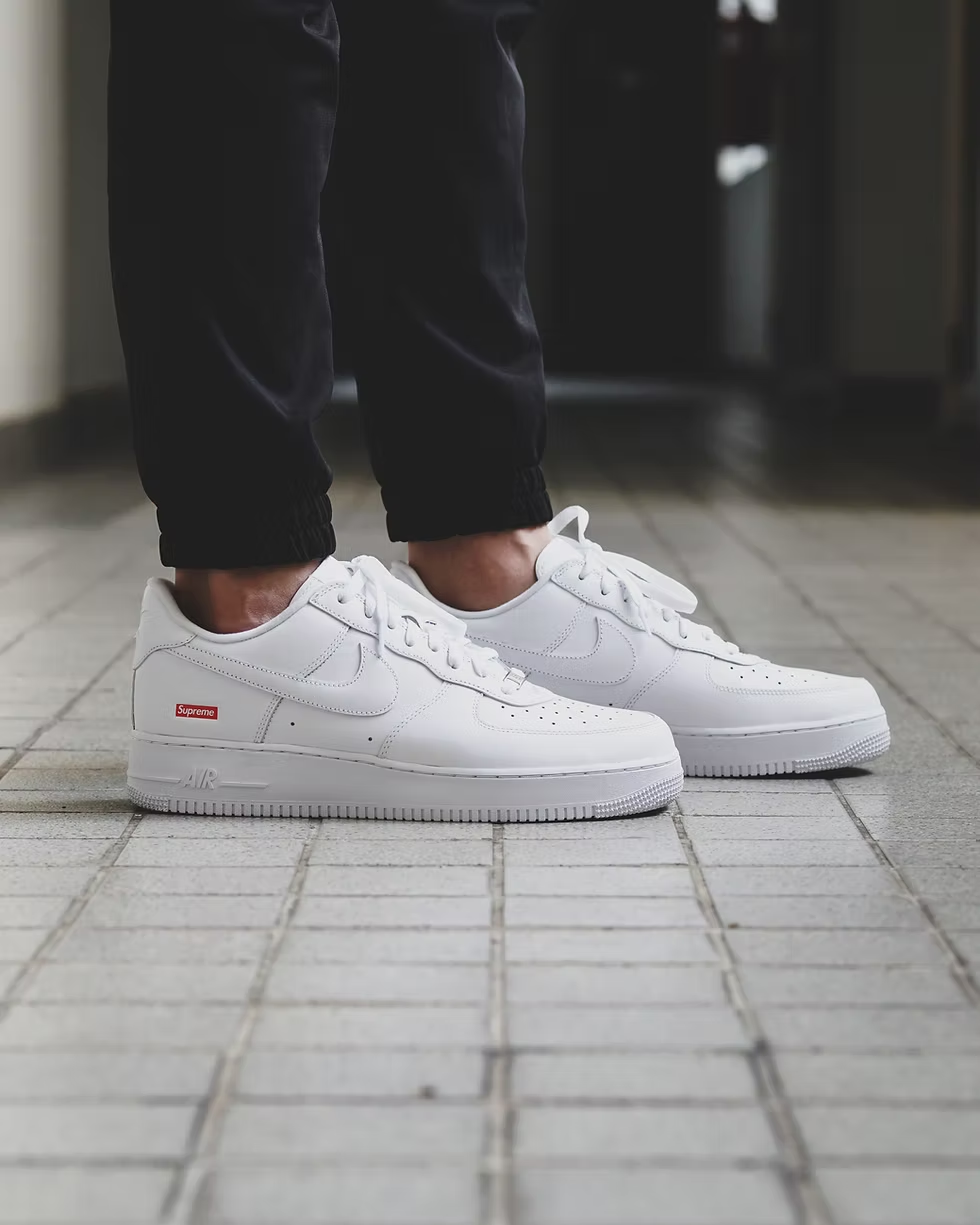
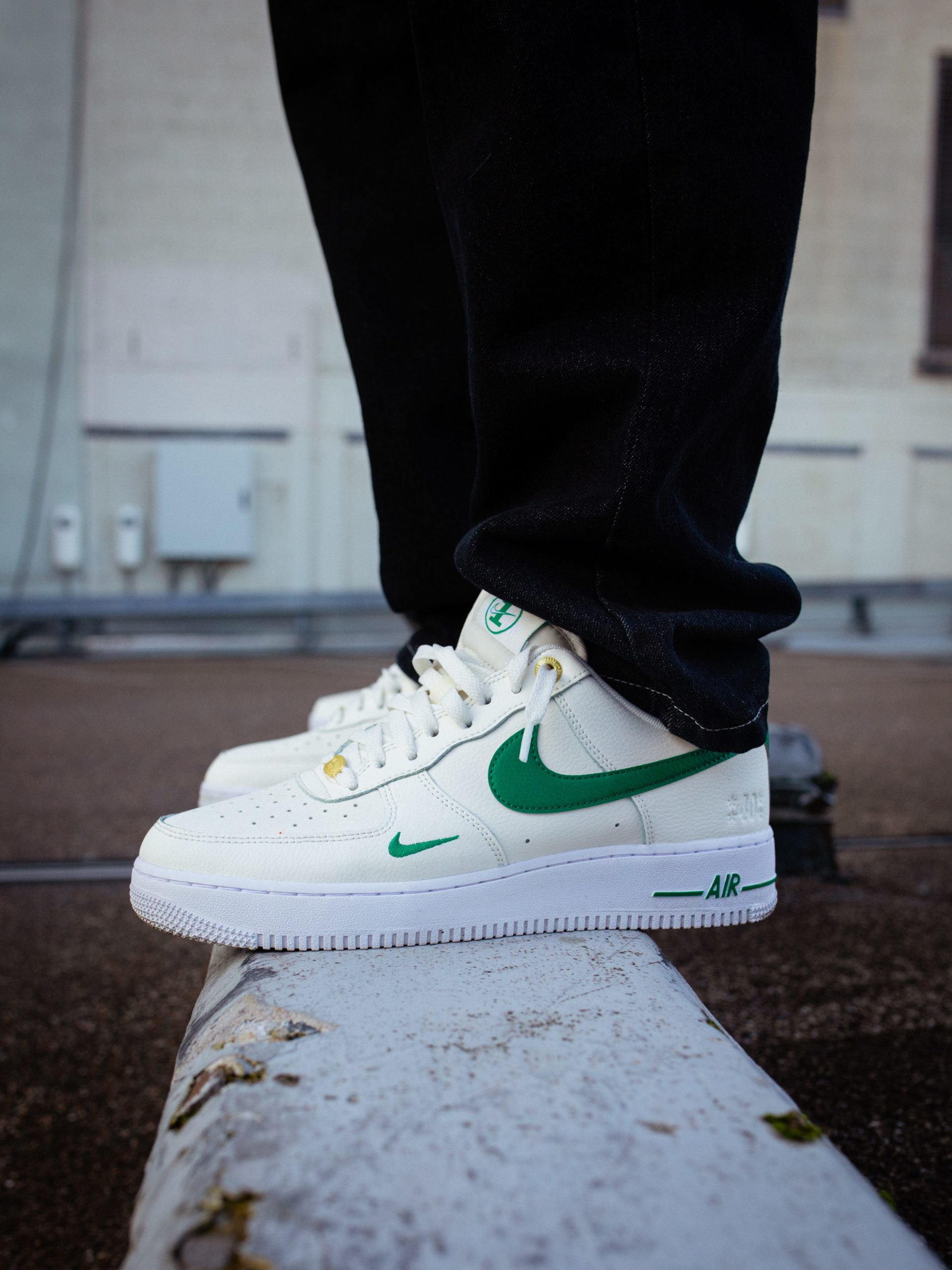
Air Force One Jordan Shoes comparisons usually come down to three buyer questions: Which feels better all day, which survives real wear, and which gives the best value for the money. Air Force 1 (AF1) and Air Jordan 1 (AJ1) are both iconic, but they behave very differently once you put in real miles.
This guide gives a practical verdict based on how these shoes are built, how they break in, and how buyers typically use them: commuting, campus, work shifts, travel, and weekend wear.
Air Force One Jordan Shoes: Comfort, Durability, and Value—Real Buyer Verdict
Comfort: What “Feels Good” Really Means
Comfort is not one thing. Buyers often mix together cushioning, weight, flexibility, and heat buildup. You get a clearer answer when you separate them.
Cushioning feel: Soft landing vs stable platform
Both AF1 and AJ1 use Nike’s Air cushioning in the sole, but the platform shape and midsole firmness change the feel.
Air Force 1 comfort
Feels stable and planted because the sole is thicker and wider.
The midsole tends to feel firm at first, then more natural as it breaks in.
Good for casual walking and standing because it spreads pressure well.
Air Jordan 1 comfort
Feels flatter and more direct underfoot.
The outsole and cupsole feel more rigid early on.
Better if you prefer a shoe that feels controlled rather than “pillowy.”
Buyer translation: If you want a “soft sneaker” experience, neither is a modern running shoe. AF1 usually feels more forgiving because of its thicker base. AJ1 often feels more structured and less cushioned for long standing.
Weight and fatigue: The hidden comfort factor
Many buyers only notice weight after two hours.
AF1 is generally heavier, which can cause fatigue for:
long city walks
travel days
people who prefer light footwear
AJ1 is often slightly lighter, but can feel tiring in a different way:
stiffer sole
less “shock absorption” sensation
Verdict on weight comfort:
Lots of walking: AJ1 can feel easier to move in, but only if your feet tolerate a firmer ride.
Lots of standing: AF1 often wins because the wider base feels supportive.
Flexibility and break-in: Comfort changes over time
These shoes are not “perfect on day one” for many buyers.
AF1 break-in pattern:
The leather can feel stiff.
The shoe starts to feel better once the upper softens.
The thick sole stays stable, not flexible.
AJ1 break-in pattern:
The collar and upper panels soften with wear.
The sole remains fairly structured.
Some buyers feel pressure at the toe crease area until it loosens.
Quick comfort rule:
You want comfort fast: AF1 often becomes comfortable sooner for casual wear.
You want a locked-in feel: AJ1 can feel better once broken in, especially with correct sizing.
Air Force One Jordan Shoes
Fit: The Most Common Buyer Mistakes
A comfort review is incomplete without fit. Many “this shoe hurts” complaints are actually sizing problems.
Toe room: Wide vs narrow feel
AF1 commonly feels roomy in the toe box for many foot shapes.
AJ1 can feel more tapered, especially if you have:
wider forefoot
higher volume feet
If you get toe pressure, you will not “walk it off.” Size and lacing matter.
Heel slip and ankle comfort
AF1 heel feel:
Stable heel counter.
Less ankle rubbing for many buyers because the collar shape is simpler.
AJ1 heel/ankle feel:
Higher collar can rub if:
socks are too low
laces are too tight at the top
Can feel secure when laced properly.
Practical fix list (buyers actually use):
Wear mid or crew socks during break-in.
Lace to lock the heel, not to squeeze the forefoot.
If you drive a lot, avoid over-tightening the top eyelets on AJ1.
Durability: Which One Survives Real Life Better?
Durability depends on outsole wear, upper creasing, and how the shoe handles repeated bending.
Outsole wear: The part that fails first
Both models use a durable rubber outsole, but wear patterns differ based on how you walk.
AF1 outsole highlights:
Thick rubber.
A classic pivot-point style traction design.
Often lasts well for casual daily use.
AJ1 outsole highlights:
Strong rubber outsole with traditional traction pattern.
Wears well, but the experience depends on where you drag your foot.
Durability verdict:
If you walk on rough pavement daily: AF1 often lasts longer because it has a beefier feel underfoot.
If you want a lighter daily shoe: AJ1 still holds up well, but the sole feel is less cushioned.
Upper durability: Creasing is not damage, but it matters
Most buyers judge durability by how fast the upper looks “tired.” Creasing is normal for leather shoes, but different uppers crease differently.
AF1 upper:
Usually thicker leather feel.
Creases can be more visible because the toe area is broad.
Easy to wipe clean if you maintain it.
AJ1 upper:
Multiple panels and stitching lines.
Creases can show at flex points.
High-wear areas depend on your gait and fit.
What buyers should watch:
If the shoe is too big, the toe box folds harder and looks worse faster.
If it is too tight, you stress stitching and create uncomfortable pressure points.
Midsole aging: The “looks fine, feels worse” problem
Over time, the midsole can feel firmer. This matters for people who wear one pair daily.
If you rotate shoes, both models last longer.
If you wear the same pair every day, expect comfort to drop earlier than appearance.
A simple durability habit:
Rotate between two pairs.
Let the shoes rest 24 hours.
You reduce moisture buildup and material fatigue.
Air Force 1 vs Jordan 1 comfort
Value: What Are You Paying For?
Value is not just retail price. Buyers should consider cost-per-wear, versatility, and how often they reach for the shoe.
Cost-per-wear: The fairest way to compare
Ask yourself:
Will I wear this 2 times a week or 6 times a week?
Will it match most of my outfits?
Will it be comfortable enough to choose it on a busy day?
AF1 value profile:
Very versatile.
Works with jeans, cargos, casual workwear, and simple fits.
Often chosen as a “default sneaker,” which increases wear frequency.
AJ1 value profile:
Strong style identity.
Some buyers treat it as a “special sneaker,” which reduces wear frequency.
If it becomes your main shoe, value improves a lot.
Style versatility: The quiet reason AF1 often “wins”
Real buyer behavior is simple: people wear what is easy.
AF1 is easier to style in a wide range of outfits.
AJ1 looks sharper and more statement-driven, but that can make some buyers wear it less.
Value verdict:
If you want one sneaker to do everything: AF1 often gives better value.
If you love the AJ1 look and will actually wear it often: AJ1 becomes a strong value choice.
heat voltage stability
Real Buyer Verdict by Lifestyle
Here is a practical decision breakdown based on common buyer use cases.
Daily commuting and errands
Choose AF1 if:
you stand a lot
you want a stable platform
you prefer a shoe that feels supportive
Choose AJ1 if:
you walk a lot and dislike heavy shoes
you want a more locked-in feel
you like higher collar styling
Standing all day (retail, events, long shifts)
Most buyers prefer AF1 here because:
the base feels steady
pressure feels more spread out
If you pick AJ1, prioritize:
correct sizing
better insoles if you need more underfoot softness
Travel days (airports, city walking, packed schedules)
Travel comfort is a mix of weight, breathability, and walking volume.
AF1 can feel heavy by the end of the day.
AJ1 can feel stiff if you are not used to it.
Travel verdict:
If you do 10k–20k steps, many buyers lean toward something lighter than both.
If you must pick between these two, AJ1 often feels easier to move in, while AF1 feels better for standing in lines.
“One pair only” buyers
If you want one pair to cover most situations:
AF1 is the more common winner because it is easy to style and easy to live with.
AJ1 wins when the buyer prioritizes the AJ1 silhouette and accepts the firmer feel.
A Fast Decision Checklist
Use this checklist before you buy.
Pick Air Force 1 if you want:
a stable, supportive daily sneaker
easy styling with most outfits
comfort that improves quickly after break-in
Pick Air Jordan 1 if you want:
a more structured, classic high-top feel
slightly less weight than AF1 in many cases
a shoe you enjoy wearing for the look and shape
Bottom Line Verdict
Air Force One Jordan Shoes debates are not about which is “better.” They are about which matches your day.
Best for stable daily wear and broad versatility: Air Force 1
Best for structured feel and iconic high-top style: Air Jordan 1
Best value depends on wear frequency: the pair you reach for most wins every time