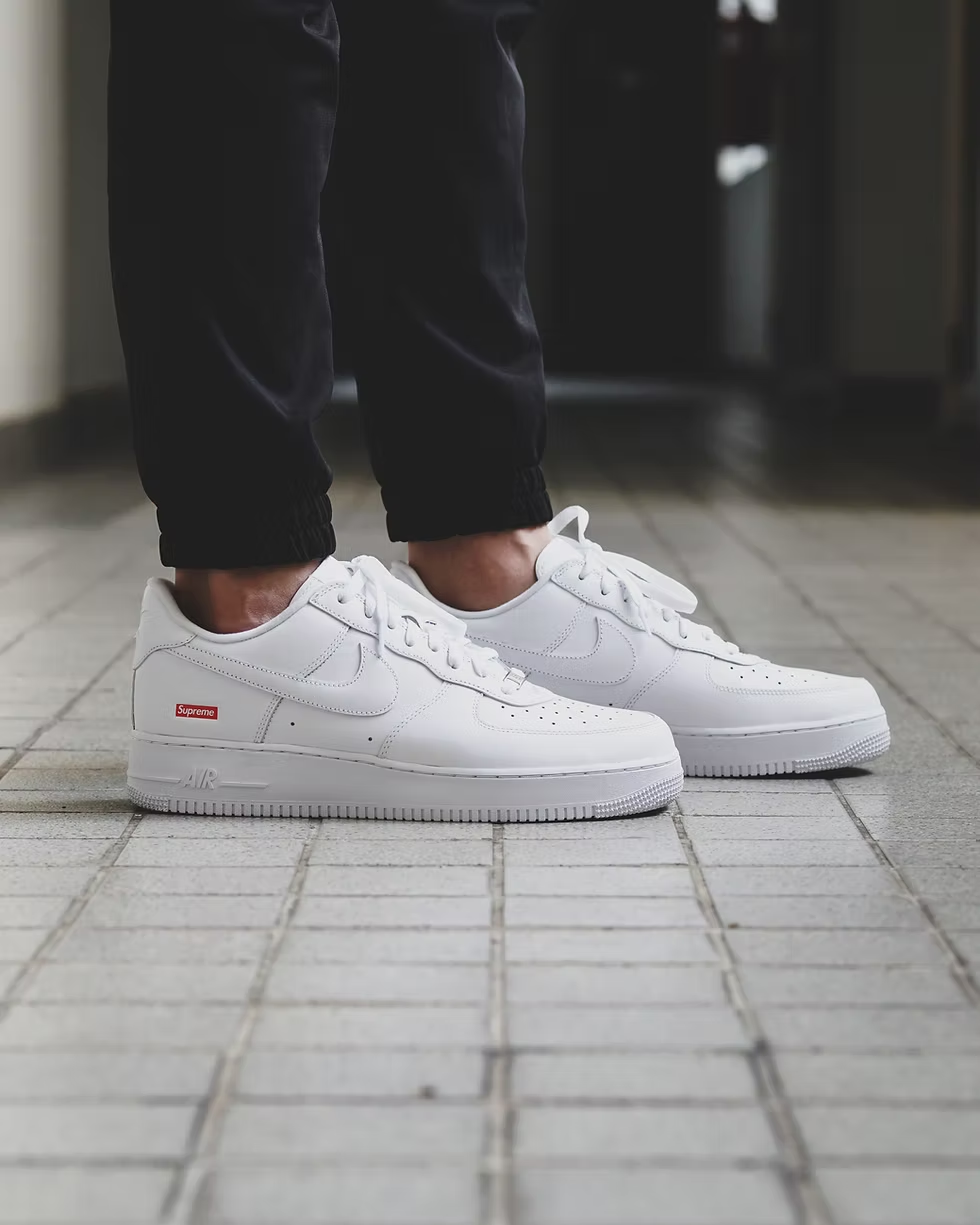
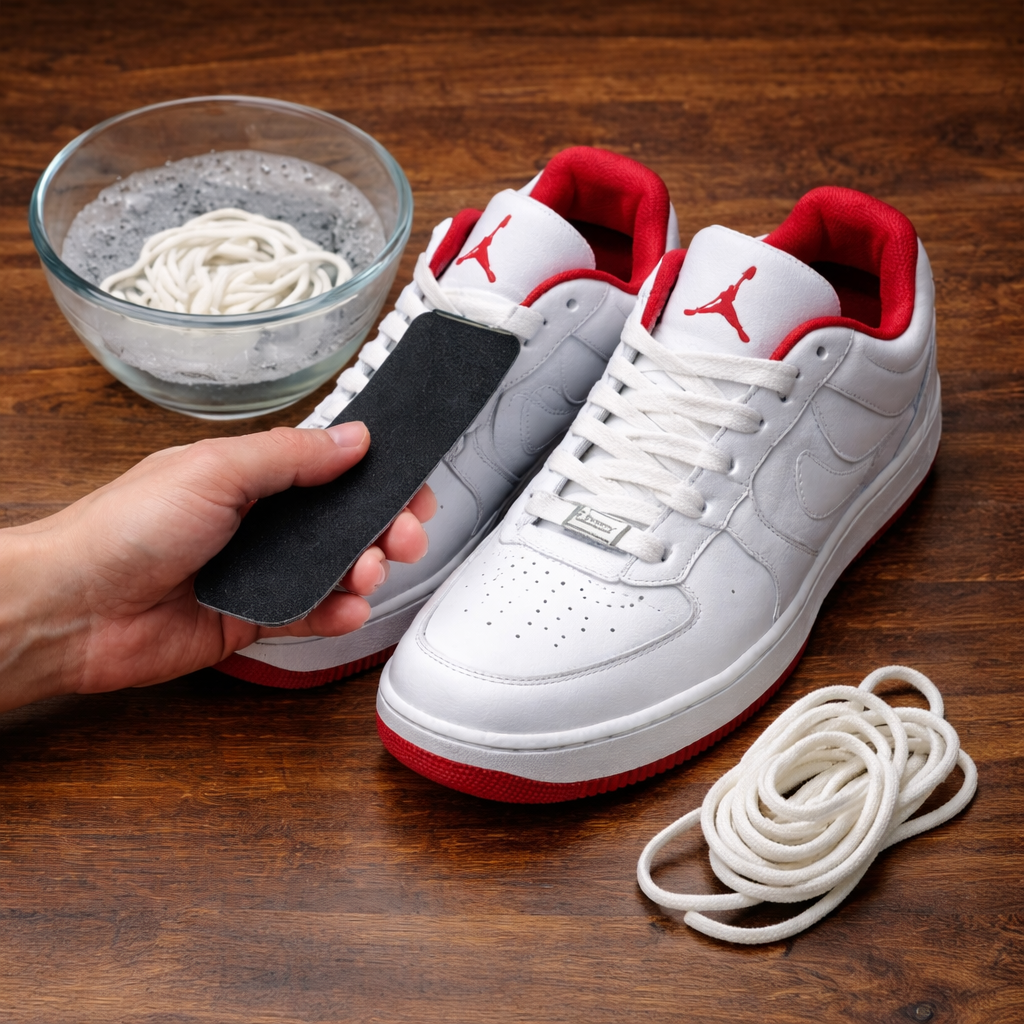
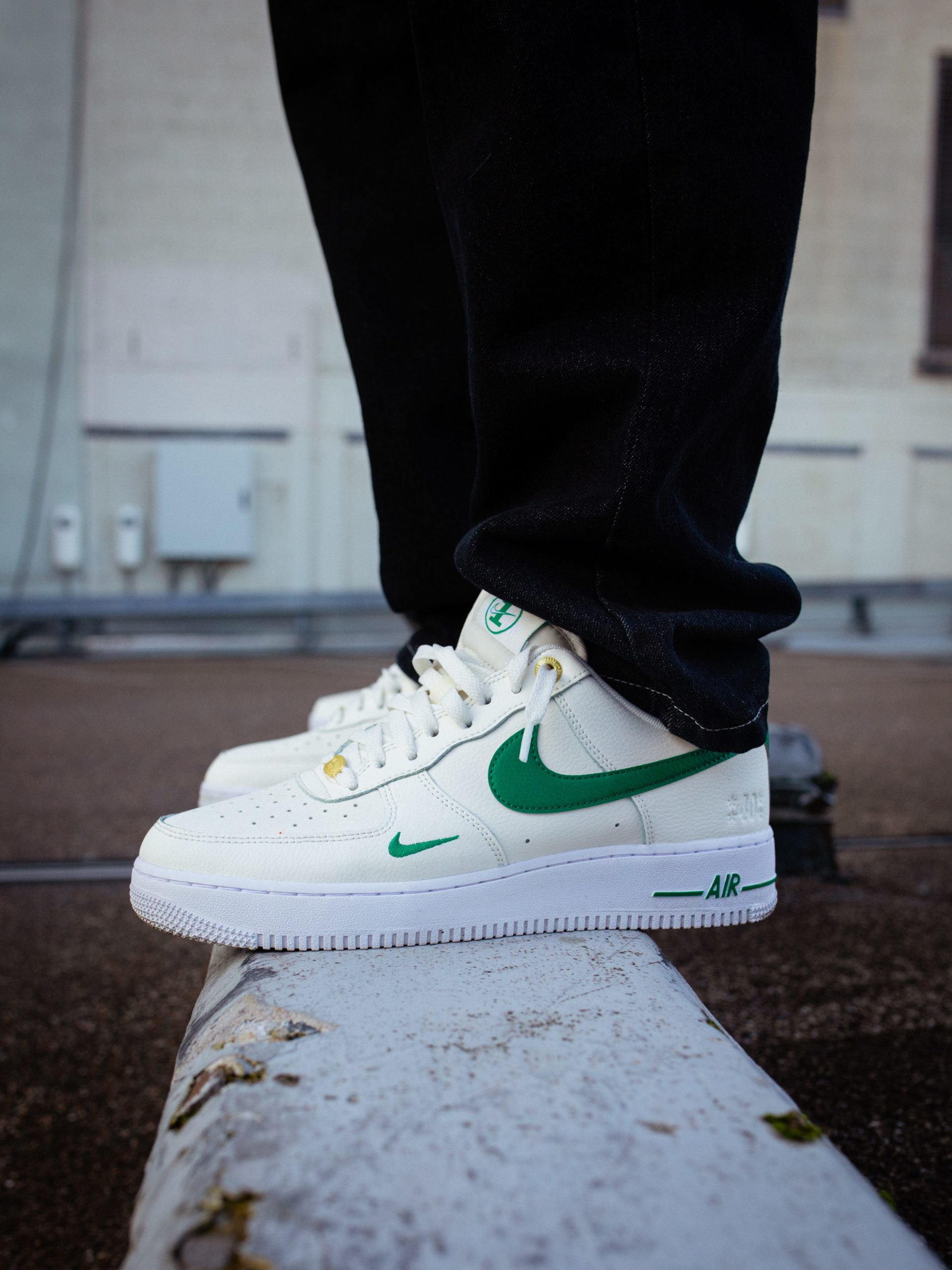
Air Force One Jordan shoes sizing guide decisions usually come down to this: Air Force 1 often fits larger, while Air Jordan 1 is usually closer to true-to-size—then your foot width, socks, and styling goals decide the final half-size move.
This guide explains what “true to size” means in practice, when to size down, and how to avoid common first-buy mistakes.
Air Force One Jordan Shoes Sizing Guide: True to Size or Size Down?
1. Start With the Core Fit Reality: AF1 vs AJ1
1.1 Nike Air Force 1: commonly runs big
Nike’s own Air Force 1 sizing guidance notes the AF1 “generally run big” due to a roomy toe box, and recommends going down half a size for many wearers. If you have wider feet, Nike notes you can often stay with your usual Nike size.
What that means in real life
If you buy AF1 true-to-size and you have average/narrow feet, you may feel extra toe room.
Extra room often leads to more heel slip and quicker creasing.
Half-size down usually tightens the fit without making it painful—unless your foot is wide.
1.2 Air Jordan 1: typically true to size (with foot-shape caveats)
For Air Jordan 1, many reputable sneaker retailers and resale platforms describe the AJ1 as true to size, across High/Mid/Low, with optional half-size adjustments for personal preference (snugger or roomier).
What that means in real life
Most people can start at their standard Nike size in AJ1.
Some colorways/materials feel a touch narrower at first (especially stiff leather), then relax as they break in.
2. A Simple Rule That Works for Most Buyers
2.1 The “default” recommendation (if you want one answer)
Air Force 1: start ½ size down from your usual Nike size.
Air Jordan 1: start true to size.
If you are buying both models and want them to feel similar on foot, this pairing is the cleanest baseline.
2.2 When you should break the default
You should override the default if:
You have wide feet (often stay TTS in AF1; consider TTS or ½ up in AJ1 depending on pressure points).
You wear thick socks regularly.
You prioritize a locked-in fit for walking all day (you might prefer a snugger AJ1).
You want a looser, relaxed AF1 look (then TTS can be fine).
Air Force One Jordan Shoes
3. Measure Correctly (So “TTS” Means Something)
3.1 Use Nike’s size guidance as your baseline
Nike’s size resources focus on using foot measurement and the brand’s charts to pick a starting size, and they also note that different shoes use different lasts and can feel different on foot.
3.2 Two-minute measurement method
Stand on paper with your heel against a wall.
Mark the longest toe.
Measure heel-to-toe length.
Compare to Nike’s men’s size chart to find a baseline size.
Tip: Nike notes the “CM size” on boxes can differ from actual foot length in cm, so follow the chart method rather than guessing from the label.
4. Foot Width: The Hidden Reason People Size Wrong
4.1 If you have wide feet
AF1: Nike explicitly says wide-foot wearers can often go true to size without sizing down.
AJ1: many guides still say TTS works for most, but if you feel forefoot squeeze, consider ½ size up (especially if you wear thicker socks).
4.2 If you have narrow feet
AF1: ½ size down is usually the better starting point.
AJ1: you can often stay TTS; some narrow-foot wearers prefer ½ down for a snugger, cleaner fit.
5. “Looks” vs “Comfort”: Choose Your Fit Goal
5.1 If you care most about a clean silhouette (less creasing, less slip)
AF1: ½ down is a common move because it reduces excess toe box space.
Lace with a slightly firmer midfoot lock (not tight enough to pinch).
5.2 If you care most about all-day comfort
AF1: if ½ down feels tight at the sides, go back to TTS (especially wide feet).
AJ1: stay TTS; let the leather break in gradually.
5.3 If you want an easy, loose everyday fit
AF1: TTS can work if you accept some extra room and slight heel movement.
AJ1: TTS still usually makes sense; avoid sizing down too aggressively.
6. Model Variations That Affect Fit
6.1 Air Force 1: Low vs Mid vs High
The general “runs big” guidance applies broadly, but collars and materials can slightly change feel. The key remains the roomy toe box and the way the upper breaks in.
6.2 Air Jordan 1: High vs Mid vs Low
Many guides state sizing is consistent across AJ1 High/Mid/Low, with preference-based half-size tweaks possible.
6.3 Materials matter (real-world detail)
Stiffer leather can feel tighter at first, then relax.
Soft leather or broken-in pairs can feel roomier.
Collab versions may use different padding, affecting ankle and midfoot feel.
This is why the same size can feel different across colorways.
7. The Practical Decision Table
Use this as a quick checkout rule:
Average feet, normal socks
AF1: ½ size down
AJ1: true to size
Wide feet
AF1: true to size
AJ1: true to size, consider ½ up if forefoot feels tight
Narrow feet
AF1: ½ size down
AJ1: true to size, optional ½ down for snug fit
Between sizes
AF1: usually choose the smaller of the two
AJ1: usually choose the larger if you dislike tight forefoot
8. At-Home Fit Check (Do This in 60 Seconds)
When you try them on, check these three areas:
8.1 Heel slip
A tiny amount is normal in AF1 at first.
Excess slip means the shoe is too long or lacing is too loose.
8.2 Forefoot pressure
If your pinky toe feels compressed standing still, it will likely worsen during a long day.
That usually means you should not size down further.
8.3 Toe room
You generally want a small buffer at the front.
Too much empty space in AF1 often causes instability and creasing.