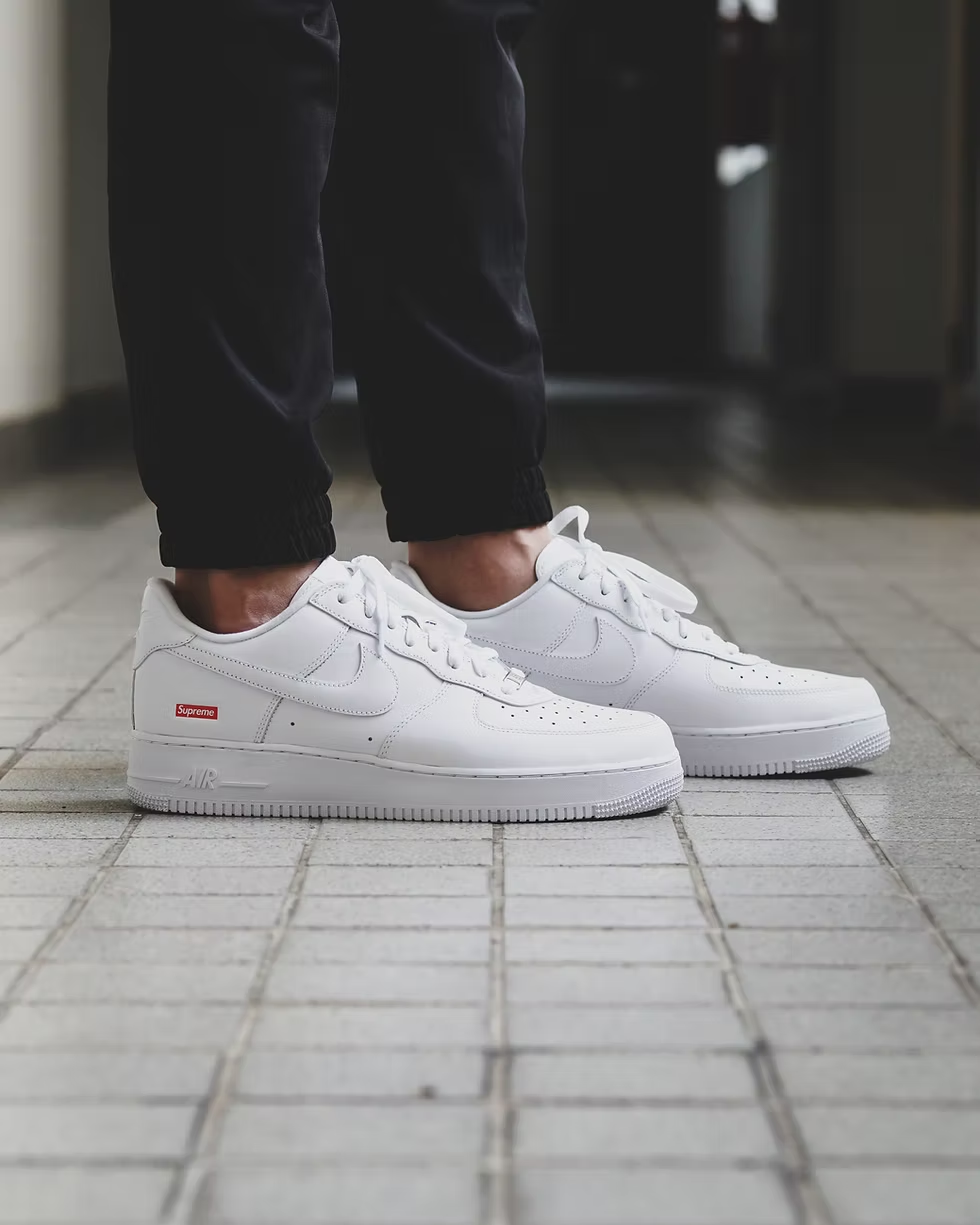
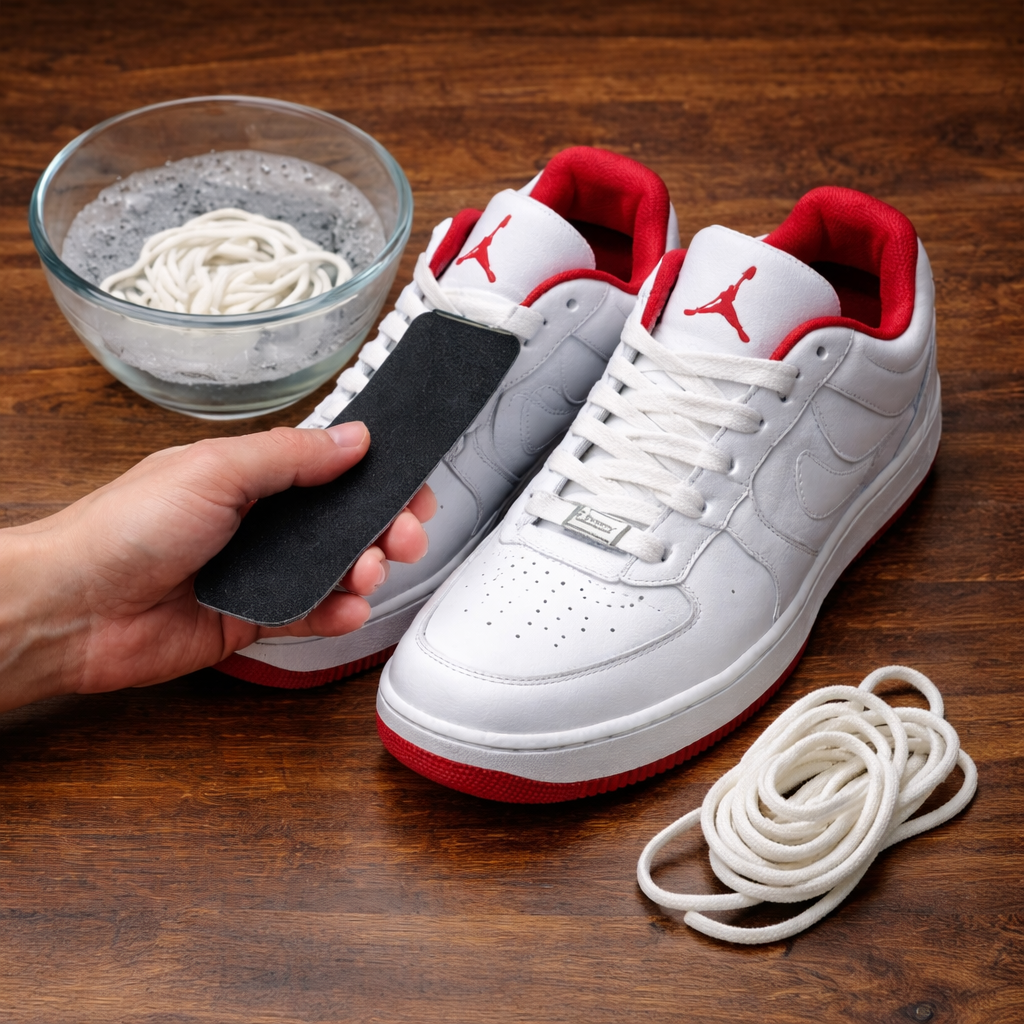
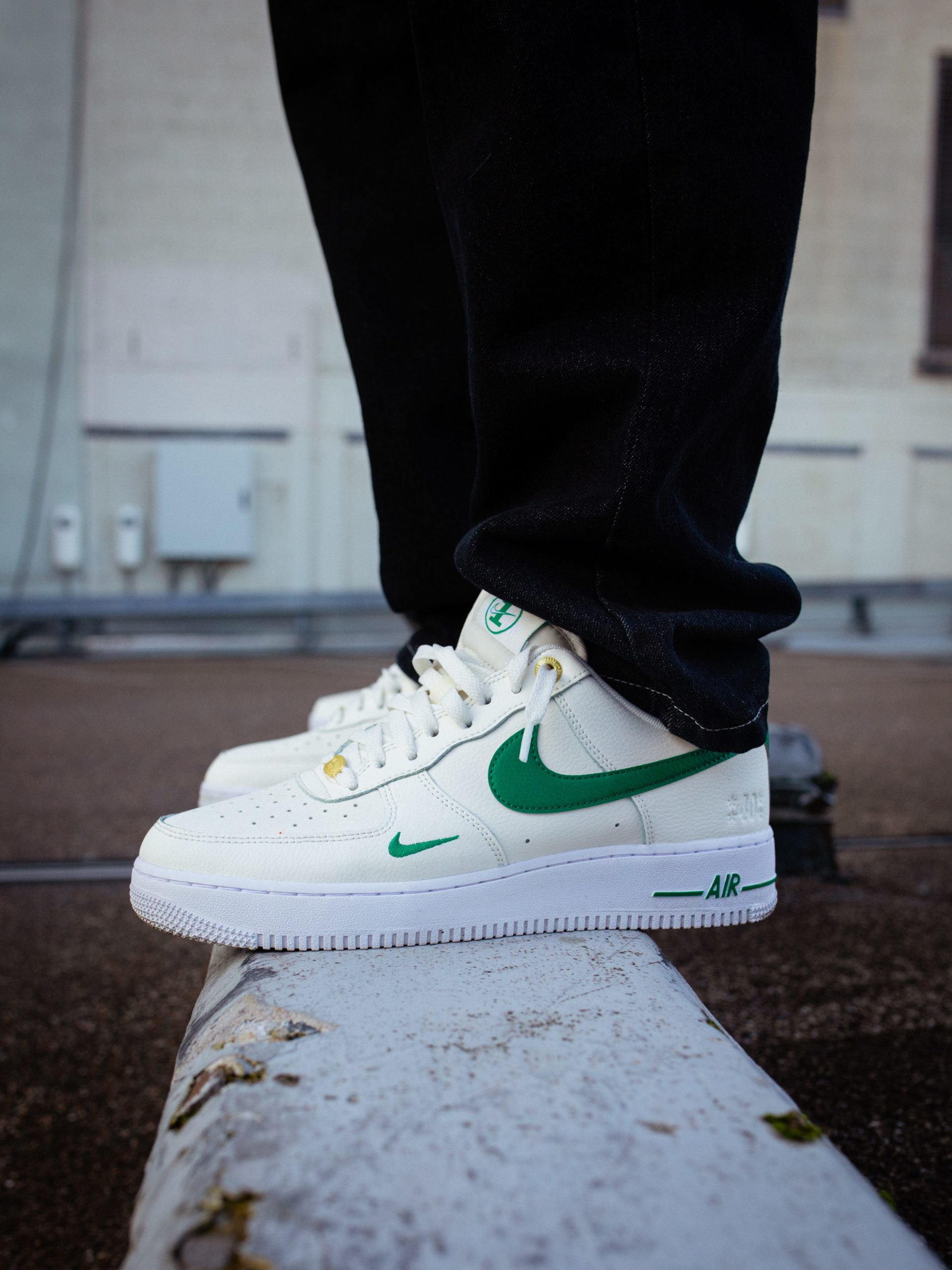
Air Force One Jordan shoes sit in the same buyer’s cart for a reason: both look iconic, both get worn hard, and both have a resale ecosystem that attracts fakes, bad storage pairs, and misleading listings. This guide gives you 12 practical checks you can run in minutes so you buy the right pair, at the right price, with fewer surprises.
Air Force One Jordan Shoes Buying Guide
1. Know what you’re comparing first
Air Force 1 (AF1) and “Jordan shoes” cover very different designs and use cases.
AF1 usually means a cupsole lifestyle sneaker with a sturdy build and a predictable feel underfoot. Many pairs use leather or synthetic leather uppers and a classic, durable shape.
Jordan shoes span multiple performance eras, from Jordan 1 heritage styles to later models with different cushioning, support, and fit.
If the listing just says “Jordan,” you need the exact model name before you judge sizing, comfort, and value.
2. The 12 checks before you pay
Check 1: Confirm the exact model and release name
Ask yourself: “What is this, exactly?”
Do this:
Get the full model name (example: Air Jordan 1 High OG, Air Jordan 4, etc.).
Get the colorway name and the style/SKU code from the size tag.
Why it matters:
Sizing and comfort differ by Jordan model.
Resale pricing depends heavily on colorway and release.
Check 2: Use the right sizing baseline (AF1 often fits differently)
Sizing is the #1 regret area.
Typical patterns buyers report:
AF1 often feels roomy in the toe box.
Many Jordan models feel more “true” in length but can feel narrower depending on the silhouette and materials.
What to do:
If you can, compare to a shoe you already own from Nike/Jordan in the same category (lifestyle vs performance).
If buying online, ask the seller: “What size do you wear in AF1 or Jordan 1, and what size is this pair?”
Check 3: Check width and toe-box shape, not only length
A “true-to-size” length can still hurt if the forefoot feels tight.
Ask for photos:
Straight-on top view (toe box shape)
Side profile (instep volume)
Insole photo (overall width)
Quick decision rule:
If you have wide feet, prioritize models and materials known for softer break-in.
If the upper uses stiff synthetic overlays, expect a longer break-in window.
Check 4: Inspect the midsole and outsole for wear patterns
Wear tells you how the shoe lived.
Ask for:
Bottom outsole photo, both shoes
Close-up of heel and forefoot traction zones
What to look for:
Even wear: normal use.
Hard heel drag on one side: can mean alignment issues or heavy wear.
Worn-through traction: the shoe may feel slippery sooner than you expect.
For white midsoles:
Check for yellowing and staining.
Heavy oxidation does not always mean fake, but it affects value.
Air Force One vs Jordan shoes
Check 5: Look at upper materials and feel expectations
Materials change comfort and longevity.
Common uppers:
Leather or “tumbled” leather on many AF1 styles
Leather, nubuck, suede, or synthetics across Jordan lines
What quality looks like:
Consistent grain and texture across panels
Clean cuts at panel edges
No bubbling finish or peeling coating
Value insight:
Premium materials matter more on sneakers you plan to wear often.
A hype colorway with weak materials can disappoint fast.
Check 6: Check stitching, panel alignment, and symmetry
You do not need to be a factory inspector. You only need to spot inconsistency.
Ask for:
Toe box stitching close-up
Heel stitching close-up
Side panel photo of both shoes side-by-side
Red flags:
Panels that do not mirror left vs right
Stitch lines that wander dramatically
Glue marks that look messy across multiple areas
One messy spot can happen. A pattern of mess usually means low build quality or heavy wear.
Check 7: Demand the “proof photo set” for authenticity screening
If you buy online, you are buying the seller as much as the shoe.
Ask for these photos in one message:
Size label inside the shoe (clear, not blurry)
Box label with the same style/SKU and size
Insoles removed (to show footbed and stitching lines)
Heel and tongue tags (both shoes)
A handwritten note with today’s date + seller username
Why it works:
Most photo-theft scams fail when you ask for a custom timestamp photo.
Check 8: Verify the SKU and details match the colorway
Do not rely on the listing title.
What to check:
SKU on the box label matches SKU on the size tag.
Color description looks consistent with photos.
The pair looks like the correct silhouette for that release.
If the seller refuses to show the size tag or box label, treat it as a no-buy unless the platform provides strong authentication and returns.
Check 9: Check seller credibility like you would check a watch dealer
Good sellers behave predictably.
Green flags:
Multiple clear photos, consistent lighting, and realistic wear disclosure
Fast answers on sizing, condition, and proof photos
Clear return policy and order history
Red flags:
“No extra photos” policy
Pressure tactics (“many buyers waiting, pay now”)
Stock photos only
Price far below market without a credible explanation
Check 10: Price check using “condition buckets,” not one number
Sneaker pricing is not a single point. It is a range tied to condition.
VNDS (very near deadstock): small wear, strong value when verified
Used (clean): best daily-wear value
Used (heavy): low price, but factor in comfort drop and hygiene issues
A used pair can be the smartest buy if you want to wear them often.
Check 11: Confirm returns, authenticity protection, and payment safety
This is where smart buyers win.
Before paying:
Confirm the return window and who pays return shipping.
Confirm the platform’s authenticity coverage if they offer it.
Use protected payment methods, not wire transfers to strangers.
If the seller says “final sale” and also refuses proof photos, you should walk.
Check 12: Plan ownership costs: cleaning, creasing, and storage
A “great deal” can become expensive if you ignore upkeep.
Reality checks:
White leather shows creases quickly when you wear it hard.
Suede and nubuck demand careful cleaning.
Poor storage causes sole yellowing and glue breakdown over time.
If you buy for daily wear:
Choose comfort and fit first.
Pick colors that match your wardrobe.
Accept normal creasing as part of ownership.
3. Two quick case studies (how buyers get burned)
Case study A: “Cheap DS pair” that fails proof photos
A listing shows perfect photos and a low price. The seller refuses a date-note photo and sends only screenshots.
Likely outcome:
Stolen photos or bait-and-switch.
Best move:
Walk away or buy only through a platform with strict authentication.
Case study B: The right model, wrong size logic
A buyer sizes down in Jordan because they sized down in AF1. The Jordan model fits narrow and hurts.
Best move:
Treat each model separately.
Ask for insole measurements or compare to a known pair you own.
4. One-page checklist recap (copy/paste)
Use this list at checkout:
Exact model + colorway confirmed
SKU/style code matches tag and box
Sizing logic fits this silhouette
Toe-box width checked
Midsole/outsole wear checked
Upper material condition verified
Stitching and symmetry reviewed
Proof photo set received (tag, box, insoles, date note)
Seller credibility verified
Price compared by condition bucket
Return/auth protection confirmed
Ownership costs considered (cleaning, storage, creasing)
Conclusion
Air Force One Jordan shoes reward buyers who follow a process. Run the 12 checks, insist on the proof photo set, and base your decision on fit, condition, and seller credibility—not hype alone. You will avoid wrong sizes, avoid fake listings, and end up with a pair that feels right the moment you lace up.