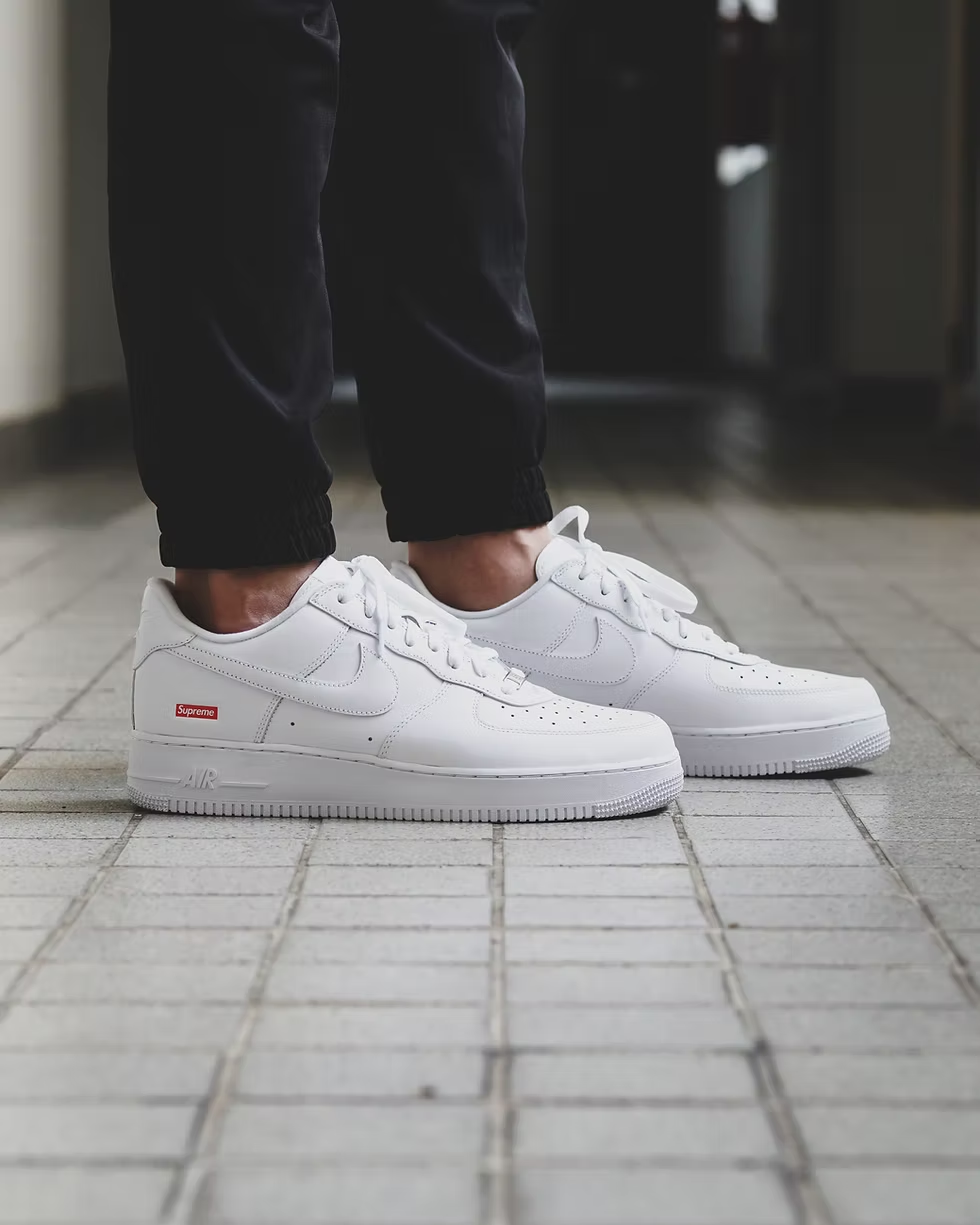
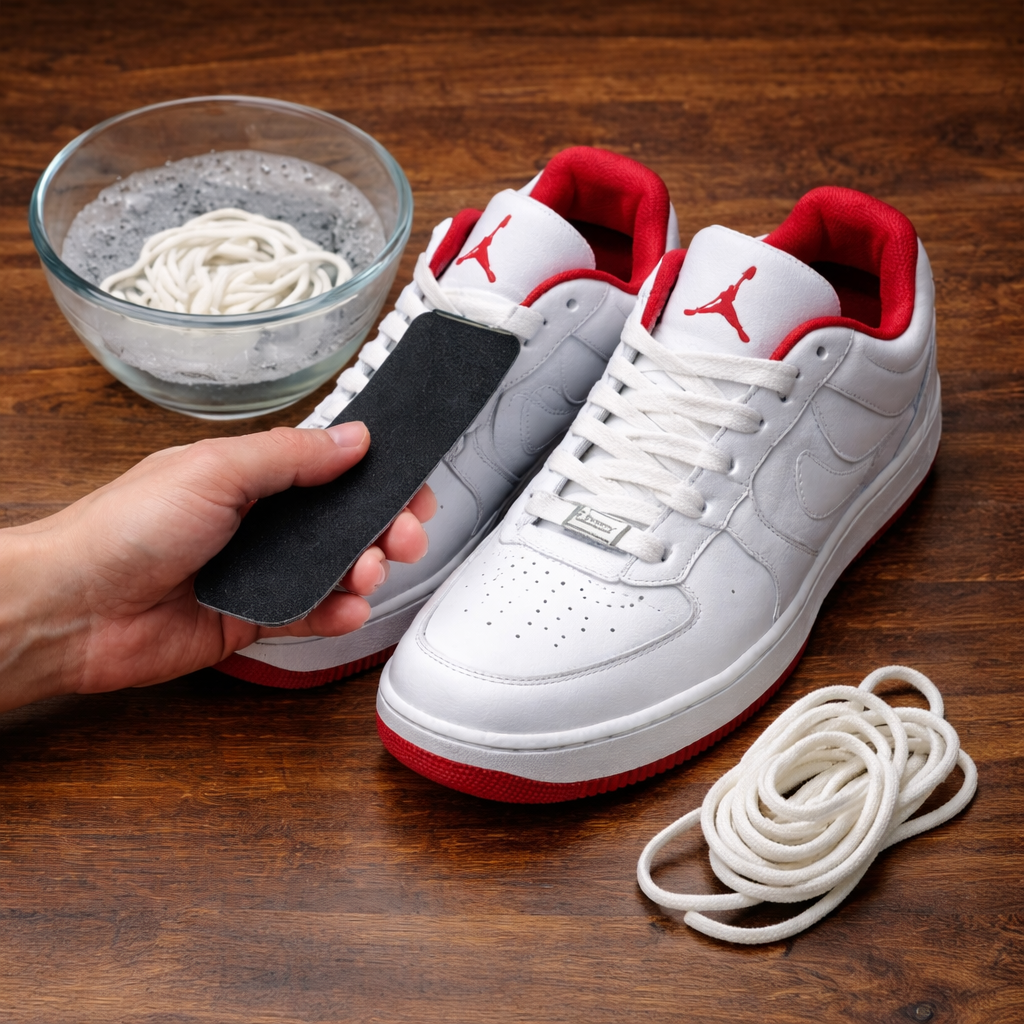
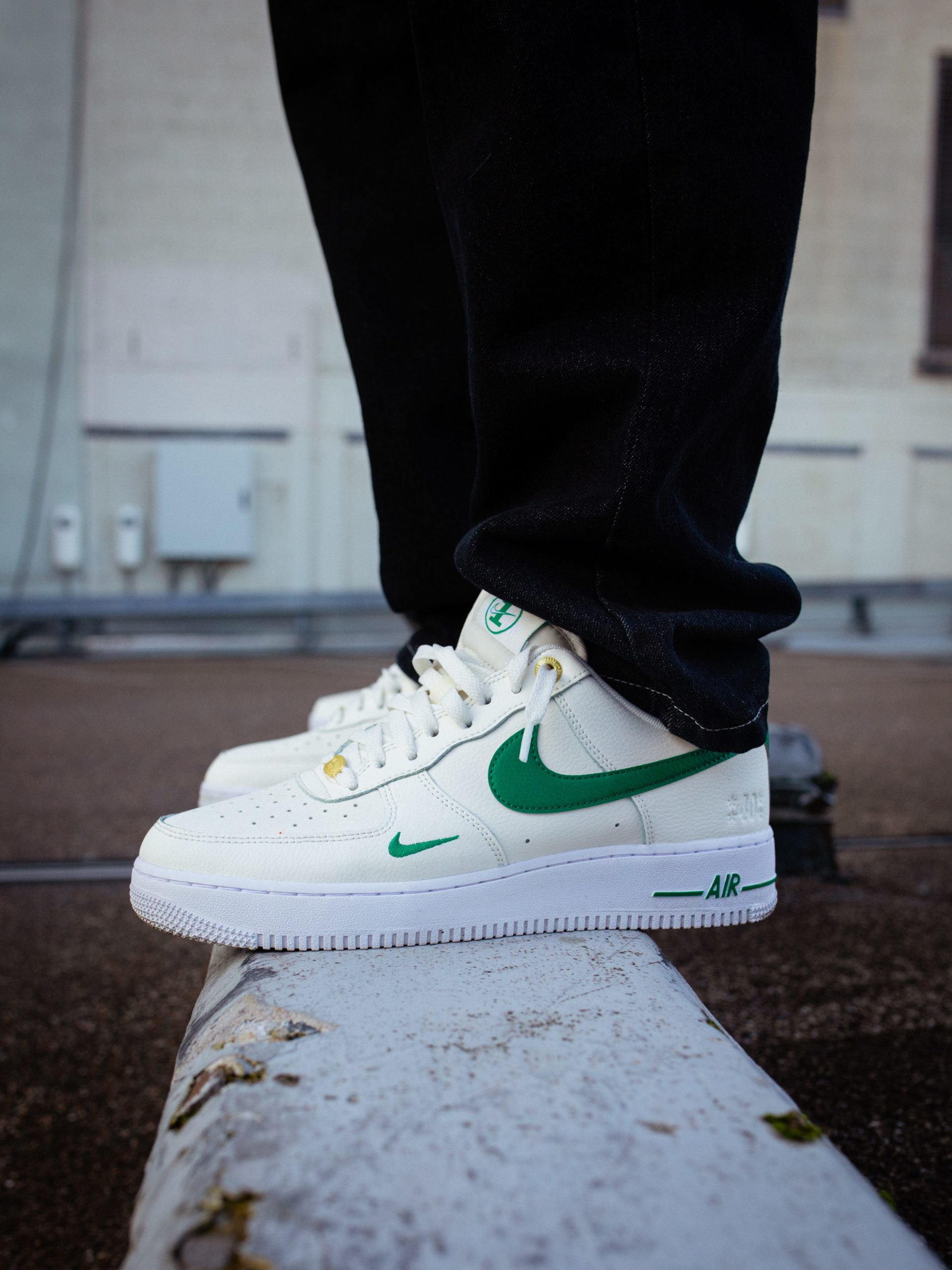
Air Force One Jordan shoes for flat feet can work for everyday wear, but most people need two upgrades to make them feel supportive: the right insole and a tighter, more stable fit through the midfoot. Both Air Force 1 and Air Jordan 1 are lifestyle classics with Nike Air cushioning, yet cushioning alone is not the same as arch support.
This guide explains what flat feet change, how AF1 and AJ1 feel on-foot, which insoles make the biggest difference, and how to set the shoes up so they stop feeling tiring after a long day.
Air Force One Jordan Shoes
1. What flat feet typically change inside a sneaker
Flat feet often come with one or more of these patterns:
Your arch collapses more under load (standing/walking)
Your foot rolls inward more than you expect (overpronation)
You feel fatigue in the arch, heel, shin, knee, or lower back after long wear
Orthotics and arch supports are commonly used to improve comfort and positioning for flatfoot symptoms, even when you choose off-the-shelf inserts.
1.1 Arch support helps, but it does not “fix” flat feet
A good baseline to keep expectations realistic: nonprescription arch supports can reduce symptoms for many people, but they do not cure flat feet.
If you have persistent pain, numbness, or worsening symptoms, treat that as a medical issue and consult a clinician.
2. AF1 vs AJ1 for flat feet: what feels different in real wear
Both models use Nike Air-based cushioning in the heel, which helps with impact feel. The bigger differences for flat-footed wearers come from platform shape, stiffness, collar height options, and how well you can lock the midfoot down.
2.1 Air Force 1: stable platform and “all-day” feel
Nike describes Air Force 1 with Nike Air cushioning and a foam midsole, originally designed for hoops, positioned for lightweight, lasting comfort.
Why many flat-footed buyers like AF1
The cupsole feel tends to be stable underfoot.
The shoe often feels “planted” for standing and walking.
The roomy interior makes insole swaps easier.
What can go wrong
The stock insole can feel flat.
If you size too big, your heel slips and your arch collapses more.
2.2 Air Jordan 1: lighter feel, different lock-in, still needs support
Nike’s Jordan 1 listings commonly note an Air-Sole unit in the heel for signature cushioning.
Why flat-footed buyers pick AJ1
The upper structure can feel supportive around the foot.
Many people prefer the on-foot feel and flexibility vs chunkier cupsole shoes.
What can go wrong
If the midfoot is not locked down, you may feel more foot fatigue.
Some insole choices feel too thick and reduce interior space.
2.3 Quick choice rule for flat feet
Pick Air Force 1 if you want:
A stable “platform” feel for long standing
A shoe that usually accepts thicker insoles more easily
Pick Air Jordan 1 if you want:
A slightly more flexible feel with heel Air cushioning
Better ankle/collar options (Mid/High) for some wearers
Air Force One Jordan Shoes for Flat Feet
3. Support checklist: what matters more than the shoe model
Flat feet support is mostly about three parts working together:
Arch structure (insole shape and firmness)
Heel stability (deep heel cup + secure heel lock)
Midfoot lockdown (lacing and fit that prevent slide)
AAOS describes orthotics and inserts as tools to support a flatfoot and reduce stress risk in some cases.
3.1 The two signs your setup is not supportive enough
You feel your foot rolling inward more as the day goes on.
The inside edge of the shoe feels overloaded and tired.
If that happens, change the insole first. Then change fit/lacing.
4. Insole picks for flat feet: what to choose and why
Think of insoles as “tuning.” Choose by your main problem, not by hype.
4.1 Pick the right type (fast decision guide)
Choose a low-arch support insole if:
You have flatter arches and dislike aggressive arch bumps
You want stability without pressure points
Choose an overpronation-focused insole if:
Your shoes wear down on the inside edge quickly
Your ankles roll inward noticeably
Choose a plantar-fasciitis-oriented insole if:
Your heel hurts most in the morning or after long standing
Choose a standing-all-day insole if:
Your feet ache from long hours, even without sharp pain
These are common categories in tested insole roundups and clinical guidance.
4.2 Specific insole picks that commonly fit lifestyle sneakers
The following models are frequently recommended in flat-feet insole testing roundups, including options for low arches, overpronation, and plantar fasciitis.
1) Superfeet Run Support Low Arch
Best for: low arches + stability without an aggressive rise
Why it works: structured support in a relatively slim profile
2) Spenco PolySorb Cross Trainer
Best for: plantar-fasciitis-type heel pain + shock absorption
Why it works: supportive shape paired with cushioning
3) Redi-Thotics Flex Orthotic Insoles
Best for: overpronation support on a budget
Why it works: structured support designed for inward-rolling patterns
4) Fulton Athletic Insole
Best for: standing all day; “mold to your foot” feel over time
Why it works: adapts with wear while keeping a supportive base
5) Dr. Scholl’s Prevent Pain Insoles
Best for: general pain prevention and pressure distribution
Why it works: designed around gait/pressure patterns for common discomfort
4.3 Make sure the insole actually fits AF1 or AJ1
Before you buy:
Check thickness at the heel. Thick insoles can cause heel slip if the shoe becomes too tight at the collar.
Make sure it is trimmable (many are). Trim carefully to match the stock insole outline.
If your toes feel cramped, go thinner rather than forcing it.
flat feet insoles for Air Force 1
5. Support tips that work even before you buy insoles
You can improve comfort fast with small adjustments.
5.1 Use heel-lock lacing to stop sliding
Heel slip makes flat feet feel worse because you subconsciously grip with your toes.
Try this:
Lace normally until the second-to-top eyelet
Thread the lace into the top eyelet on the same side to create a loop
Cross laces through the opposite loop and pull down/back to lock the heel
Result: more heel stability, less midfoot collapse over a long day.
5.2 Choose socks that stabilize, not just cushion
For flat feet:
A slightly thicker sock can reduce slip and hot spots
A snug midfoot band helps the shoe feel more secure
5.3 Break them in the smart way
Do not judge AF1 or AJ1 support in the first hour.
A better test:
Day 1–2: wear 1–2 hours indoors or on short errands
Day 3–5: half-day wear
After one week: decide if you need a firmer or lower arch insole
6. Common buyer mistakes (and how to avoid them)
6.1 Buying bigger for “comfort”
Sizing up often increases heel slip and reduces stability. Flat-footed wearers usually do better with:
Correct length
Secure midfoot lock-in
Supportive insole
6.2 Choosing the most aggressive arch support first
Too-high arches can irritate. If you are new to support:
Start with low-arch or medium support
Increase structure only if your foot still collapses inward
6.3 Expecting cushioning to replace support
Nike Air helps with impact feel in both AF1 and AJ1, but impact absorption is different from arch alignment and stability.
Air Jordan 1 support tips
7. Practical scenarios: which setup usually works best
7.1 Flat feet + long standing (work, travel, city walking)
Better base: AF1 often feels more stable to many wearers due to its platform feel Nike.com+1
Insole direction: standing-all-day support or low-arch stability
7.2 Flat feet + overpronation signs (inside sole wear, ankles roll in)
Shoe choice: either can work
Must-have: an overpronation-oriented insole and strong heel lock
7.3 Flat feet + heel pain pattern
Shoe choice: either can work
Must-have: plantar-fasciitis-oriented support, consistent wear, avoid walking barefoot at home when symptoms flare
8. FAQ
Are AF1 or AJ1 “good for flat feet” without inserts?
Some people tolerate them well. Many flat-footed wearers still prefer adding arch supports because orthotic inserts can reduce symptoms in flatfoot patterns.
Do I need custom orthotics?
Not always. Mayo Clinic notes nonprescription arch supports can help with symptoms, while custom devices are sometimes recommended. If pain persists or worsens, a clinician evaluation is the right next step.
What is the fastest upgrade if I only do one thing?
Swap the insole. It changes arch structure, heel stability, and fatigue more than most other tweaks. Orthotics are a common nonsurgical flatfoot tool.
Conclusion: make AF1 or AJ1 work for flat feet with the right support setup
Air Force One Jordan shoes for flat feet are workable daily sneakers when you treat them like a base and tune the support. Start with fit and heel lock, then add the insole that matches your need: low-arch stability, overpronation control, or heel-pain relief. Off-the-shelf arch supports and orthotics are widely used to reduce symptoms in flatfoot patterns, so you do not need to guess your way through it.