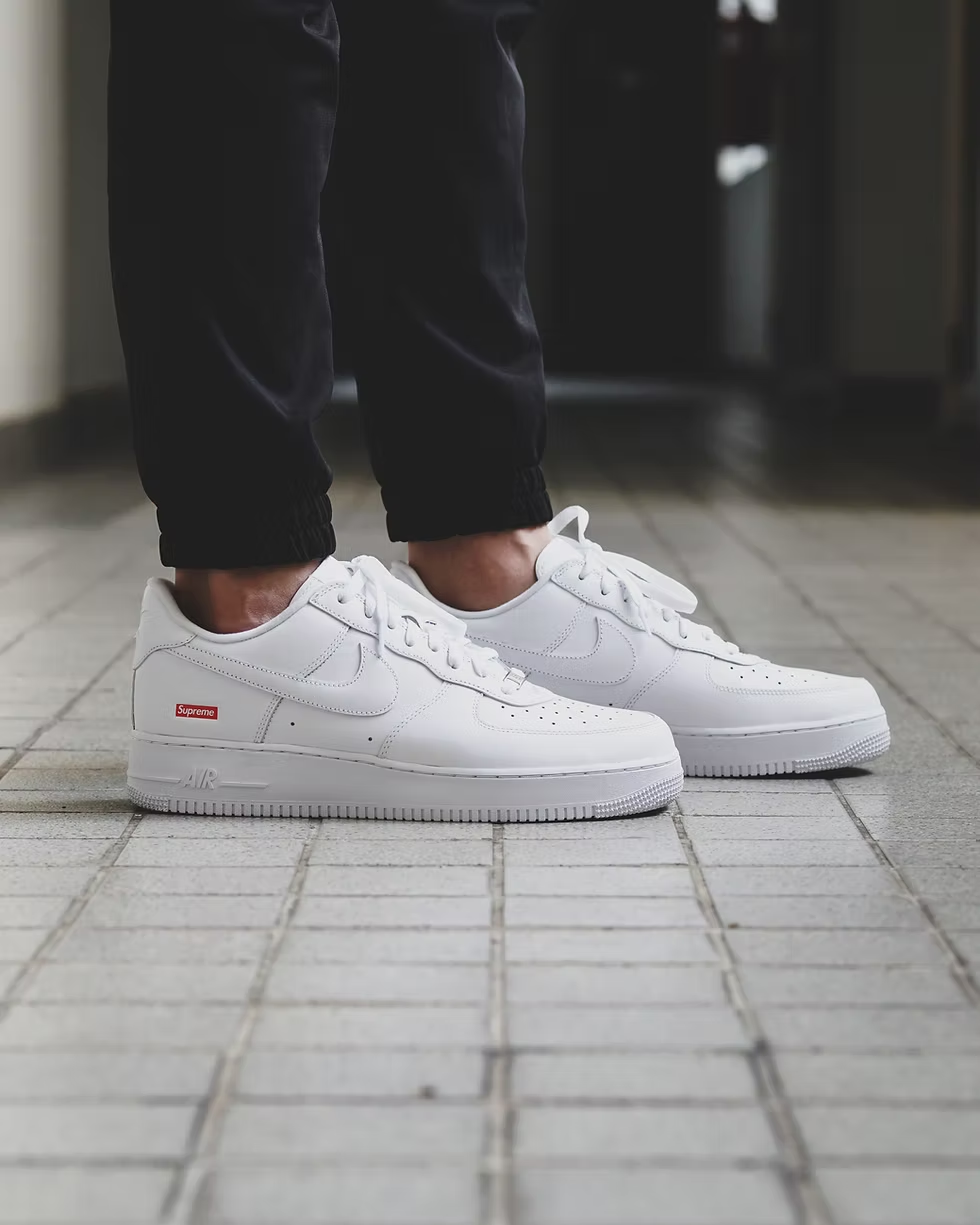
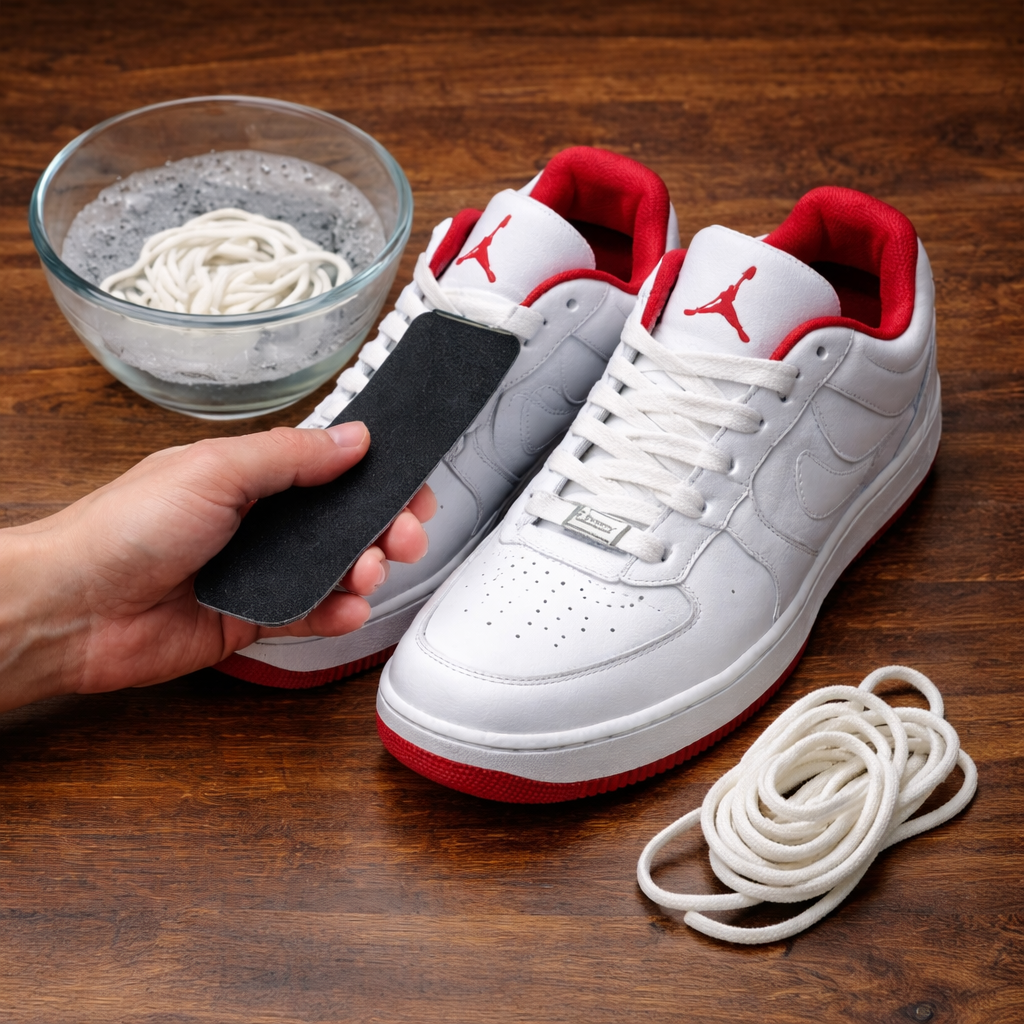
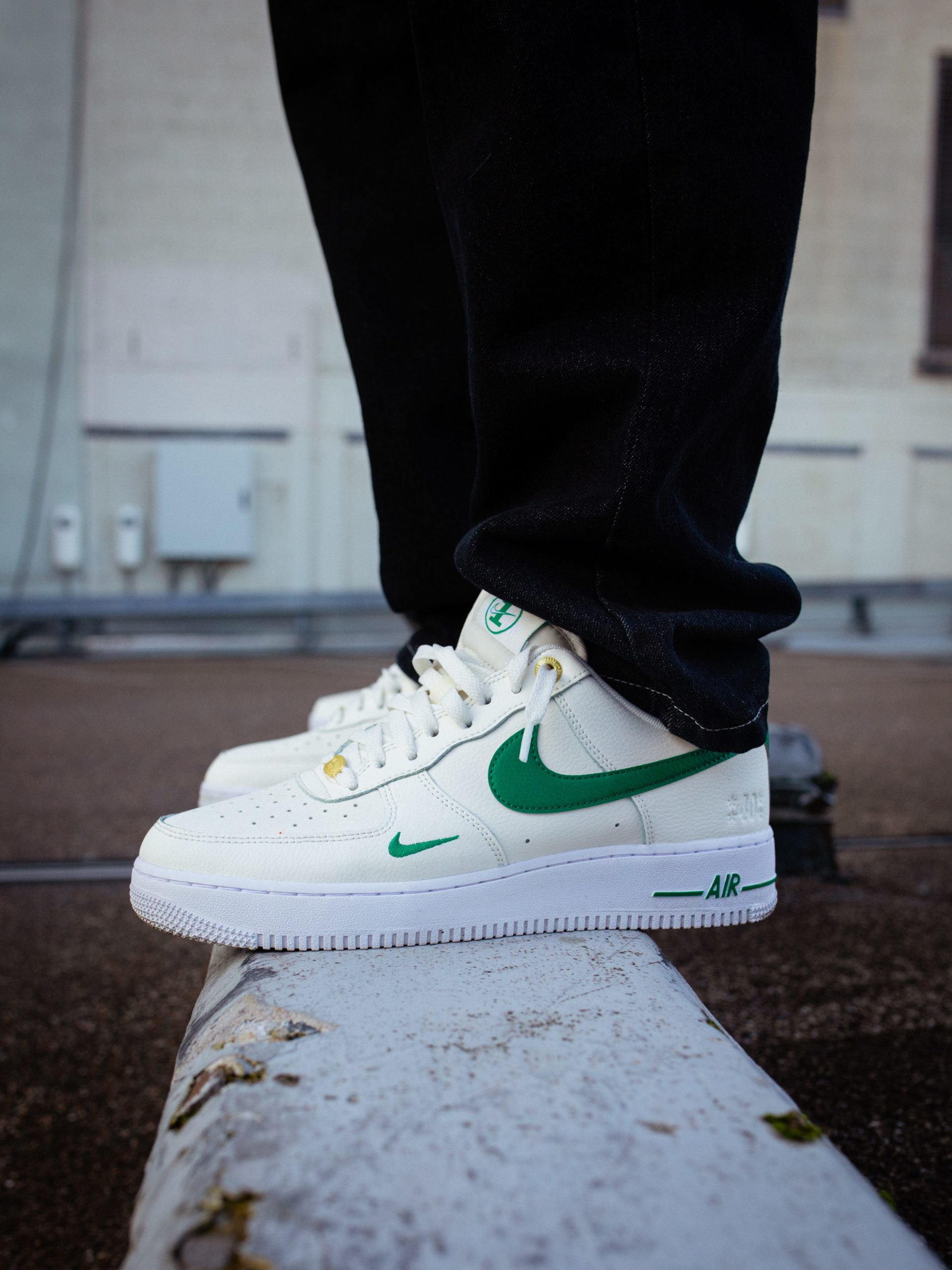
Jordan 1 vs Air Force 1 Fit is not a small detail. It decides whether you love the shoe after week one or keep reaching for “the other pair” because of heel slip, crushed toes, or a break-in that never ends. The good news is that both models follow predictable fit patterns once you know what to check.
This guide focuses on three real buyer questions:
Why do some people get heel slip in one model but not the other?
Which shoe has better toe room, especially for wide feet?
How long is the break-in time, and how do you speed it up safely?
Jordan 1 vs Air Force 1
The core fit difference in one sentence
Air Force 1 usually feels roomier and can run big
Nike notes that Air Force 1s generally run big because of a roomy toe box, and it recommends going a half size down for many people (wide feet may stay true to size). Nike also notes they get roomier as you break them in. Nike.com
Jordan 1 is closer to “true to size,” but the toe can feel narrow for some
A common sizing summary for the Air Jordan 1 is true to size, with narrow feet sometimes sizing down and wide feet sometimes sizing up for comfort.
That single contrast explains most complaints:
AF1 problems often start with too much volume (length/width) → heel slip.
AJ1 problems often start with toe squeeze (width/forefoot shape) → break-in pain.
Heel slip: what causes it and how each model behaves
Why heel slip happens (quick biomechanics)
Heel slip usually comes from one of these:
The shoe is too long for your heel-to-ball length
The heel cup has too much volume for your heel shape
The shoe is not laced to “lock” your heel back
Socks are too thin for the collar padding and friction
Heel slip is not always “wrong size.” It can be wrong volume.
Air Force 1 heel slip: the most common cause is sizing too long
Because AF1s often run big and feel roomy, many buyers who go true-to-size end up with:
extra length in front
extra volume around the heel
a heel that lifts during walking
Nike’s own sizing guidance is a strong clue here: it recommends half size down for many wearers specifically because the fit is roomy.
Best fixes for AF1 heel slip:
Try 0.5 size down first (especially if you feel “boat-like” space).
Use a heel-lock (runner’s loop) lacing method.
Add a thin insole if you must keep the size (fills volume and stabilizes the heel).
Wear slightly thicker crew socks for more collar grip.
Jordan 1 heel slip: more common in lows, less in highs
Jordan 1 High tends to feel more “anchored” because the collar and lacing area allow better lockdown. Jordan 1 Low can show heel slip if:
you sized up for toe width
you do not lace the top eyelets snugly
the heel cup shape doesn’t match your heel (narrow heel + wider forefoot is a classic mismatch)
Best fixes for AJ1 heel slip:
Keep the shoe true to size when possible, then solve toe comfort with break-in (more on that below).
Use heel-lock lacing even on lows (it matters more than people think).
If you sized up for width, consider a slightly thicker insole to reduce rearfoot volume.
Toe room: where each model wins (and what “tight” really means)
Air Force 1 toe room: generally more relaxed
Nike explicitly links AF1’s “runs big” reputation to the roomy toe box. That usually benefits:
wide forefeet
higher-volume feet
people who prefer a relaxed, casual fit
If AF1 toes feel tight on day one, it is often stiffness, not lack of space. Nike also notes they get roomier as you break them in.
Jordan 1 toe room: often snugger, especially for wide feet
Jordan 1s can feel tighter across the forefoot for some wearers. Many sizing guides recommend true to size, but advise wide-foot buyers to consider half size up.
How to tell “good snug” vs “wrong size” in AJ1:
Good snug: toes can wiggle; pressure is mostly on the sides; discomfort fades as leather softens.
Wrong size: big toe hits the front when walking; numbness; sharp pinch at the toe cap.
Break-in time: what to expect and how to reduce pain safely
Air Force 1 break-in: stiff at first, then noticeably looser
AF1s commonly feel firm because of the leather structure and the platform feel. Nike notes they get roomier as you break them in. That means:
If you buy them slightly snug (often by sizing down), they usually “settle” into a cleaner fit.
If you buy them roomy, break-in can turn “a little loose” into “heel slip.”
A practical AF1 break-in timeline (typical wear):
Day 1–2: stiff upper, especially at the toe bend
Days 3–7: noticeable softening; fewer hot spots
Weeks 2–3: fit stabilizes; looseness becomes the real issue if you started too big
Jordan 1 break-in: the toe box decides everything
Jordan 1 break-in depends heavily on the leather quality of that particular release. Some pairs soften quickly. Others stay rigid and crease hard.
A practical AJ1 break-in timeline:
Day 1–3: forefoot pressure is common; heel may feel fine
Week 1–2: leather begins to flex at the toe bend; pressure reduces
Week 3+: if it still hurts, it is likely a sizing/width mismatch
Safe break-in methods (that do not damage the shoe):
Wear indoors for 30–60 minutes with your intended socks.
Use a thicker sock for short sessions to encourage gentle stretching.
Focus on lacing first (many “tight toe” issues are actually midfoot lacing pressure).
If needed, use a shoe stretcher targeted at the forefoot width.
Avoid aggressive “hacks” that can warp leather or weaken glue.
Sizing guidance: the most reliable starting point
If you want the simplest rule set
Air Force 1: start 0.5 size down for most people; wide feet may stay true to size.
Jordan 1: start true to size; wide feet may consider 0.5 size up.
Fit outcomes by foot type (quick picker)
Narrow heels + average forefoot
AF1: likely heel slip if true to size → sizing down helps
AJ1: usually fine true to size
Wide forefoot
AF1: often comfortable true to size
AJ1: consider half size up if the toe box pinches
High instep
AF1: roomy, but watch lace pressure across the midfoot
AJ1: loosen midfoot laces; do not size up too quickly unless toes are truly cramped
A 5-minute try-on protocol that prevents returns
Step 1: Lace like you will actually wear them
Do not test fit with loose laces. Heel slip disappears when lockdown is right.
Step 2: Do the “downhill toe test”
Walk down a small incline or set your heel on a low step:
If toes hit the front, the shoe is too short.
If toes do not hit but heel lifts, you need better lockdown or less size/volume.
Step 3: Check toe room the correct way
Toe room should be judged while standing.
You want roughly a thumb’s width in front of the longest toe (varies by preference).
More important: toes should not feel compressed sideways.
Step 4: Identify hot spots early
AF1 hot spots: top of the toe bend, collar rubbing if oversized
AJ1 hot spots: pinky toe sidewall, toe cap edge, midfoot lace pressure
Quick comparison table: what most buyers experience
Fit Issue
Air Force 1
Jordan 1
Heel slip risk
Higher if you go TTS (roomy)
More tied to Low cuts / sizing up
Toe room
Roomier toe box
Can feel narrower for wide feet
Break-in feel
Stiff → loosens, can get “too loose”
Forefoot softening determines comfort
Bottom line: which is “better fit” depends on your foot and your tolerance
Choose Air Force 1 if you want:
more toe room and relaxed volume
an easy casual fit that becomes roomier with wear But control heel slip by starting with the right size.
Choose Jordan 1 if you want:
a closer, more locked-in fit at true to size But plan for forefoot break-in if you are wide-footed.